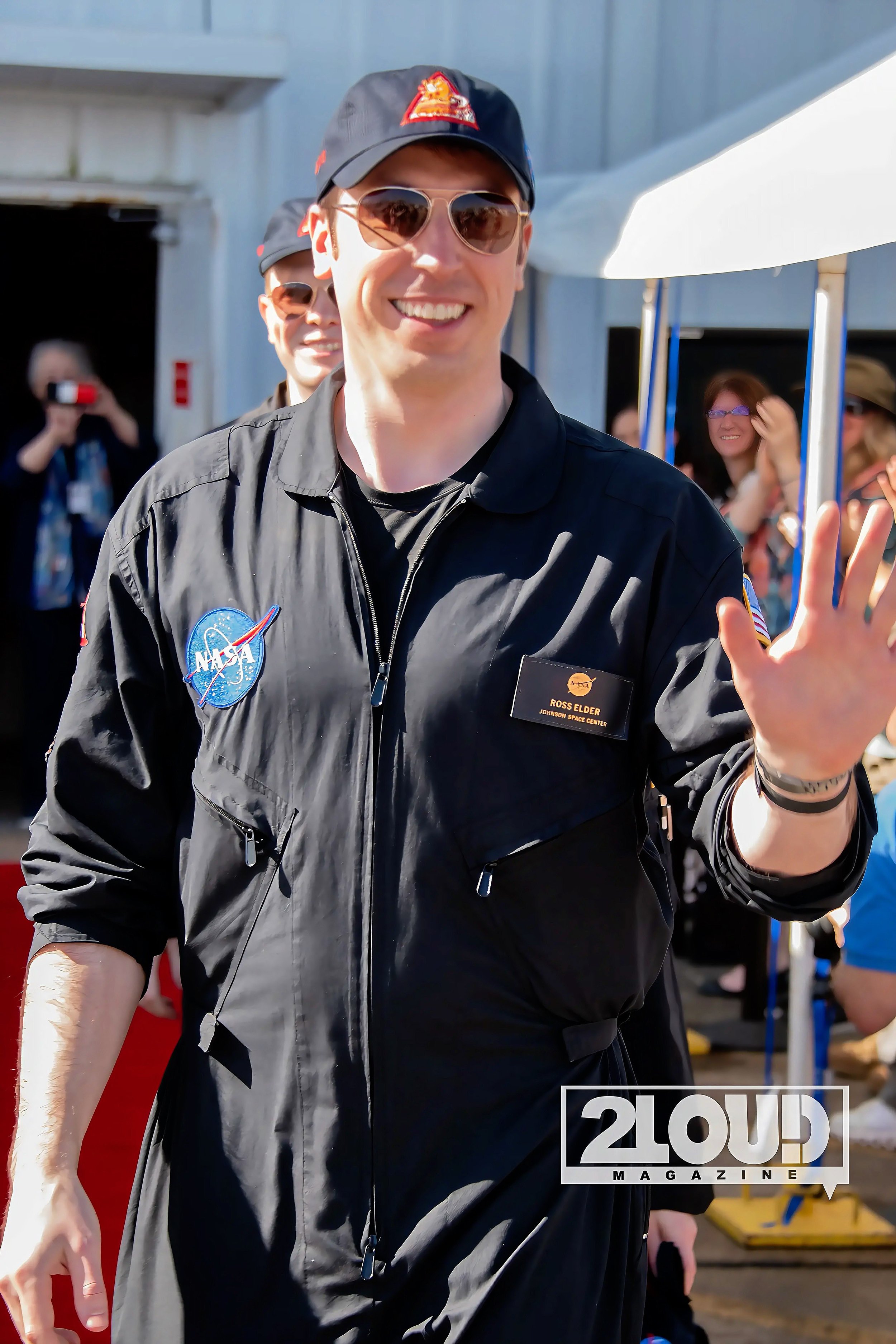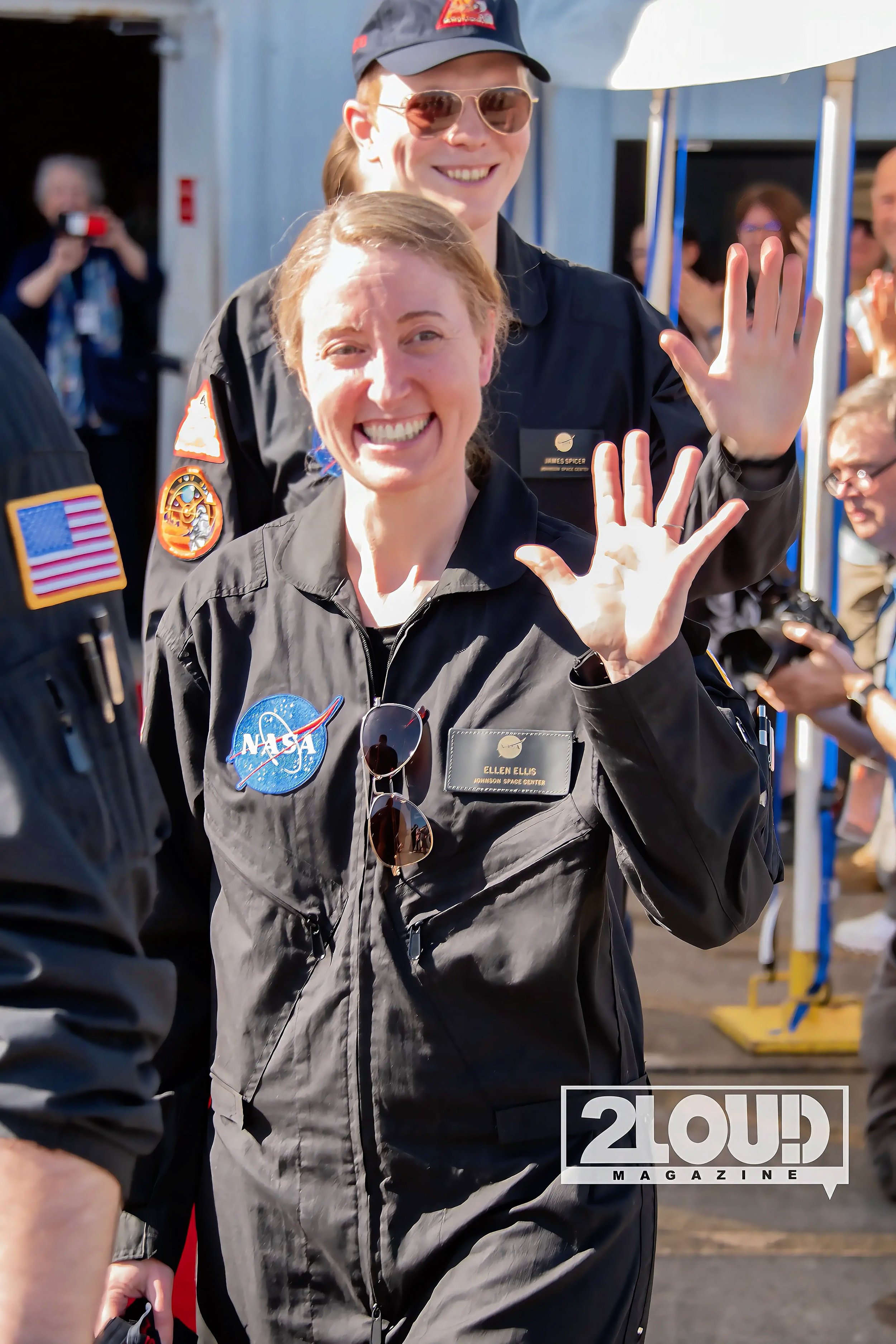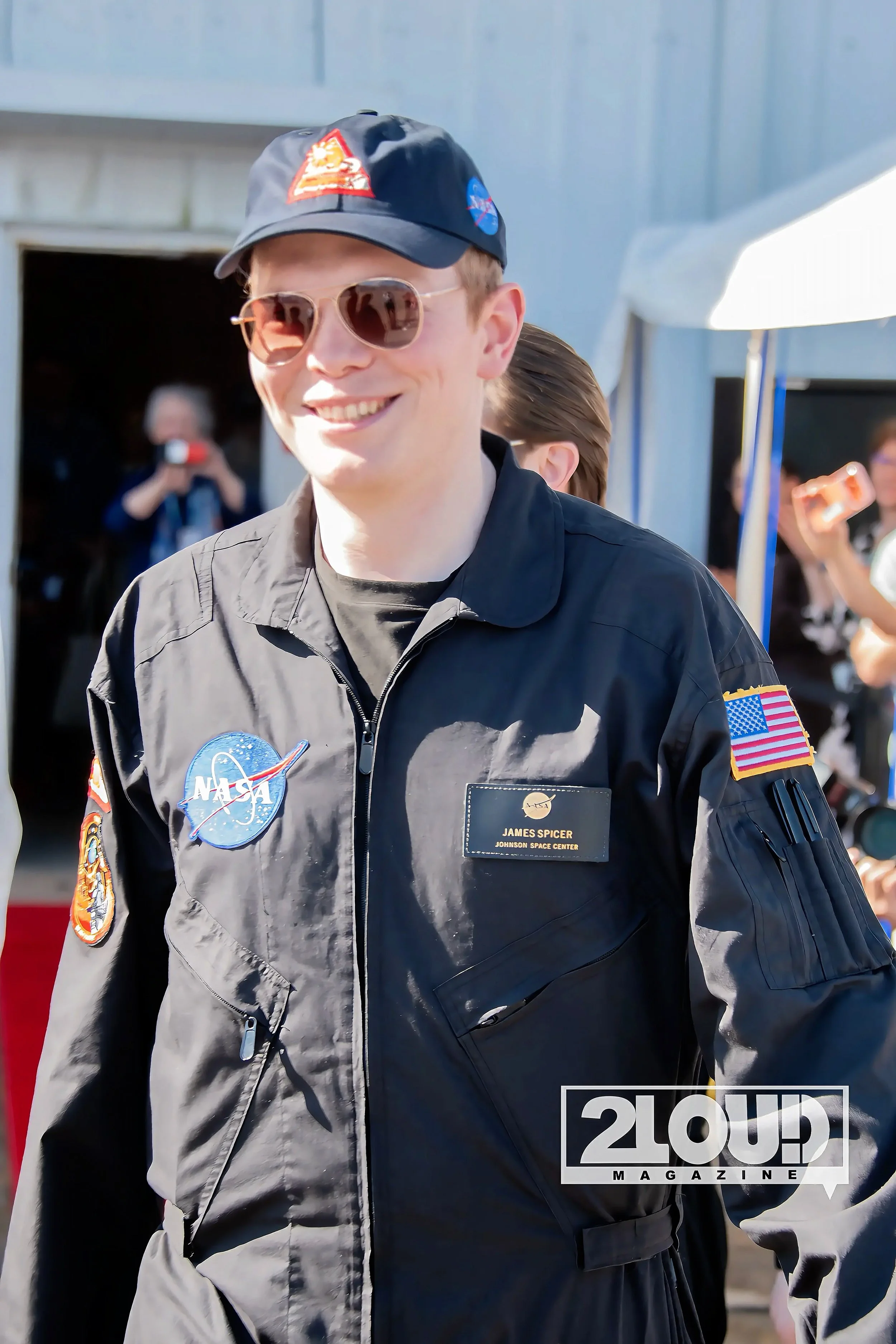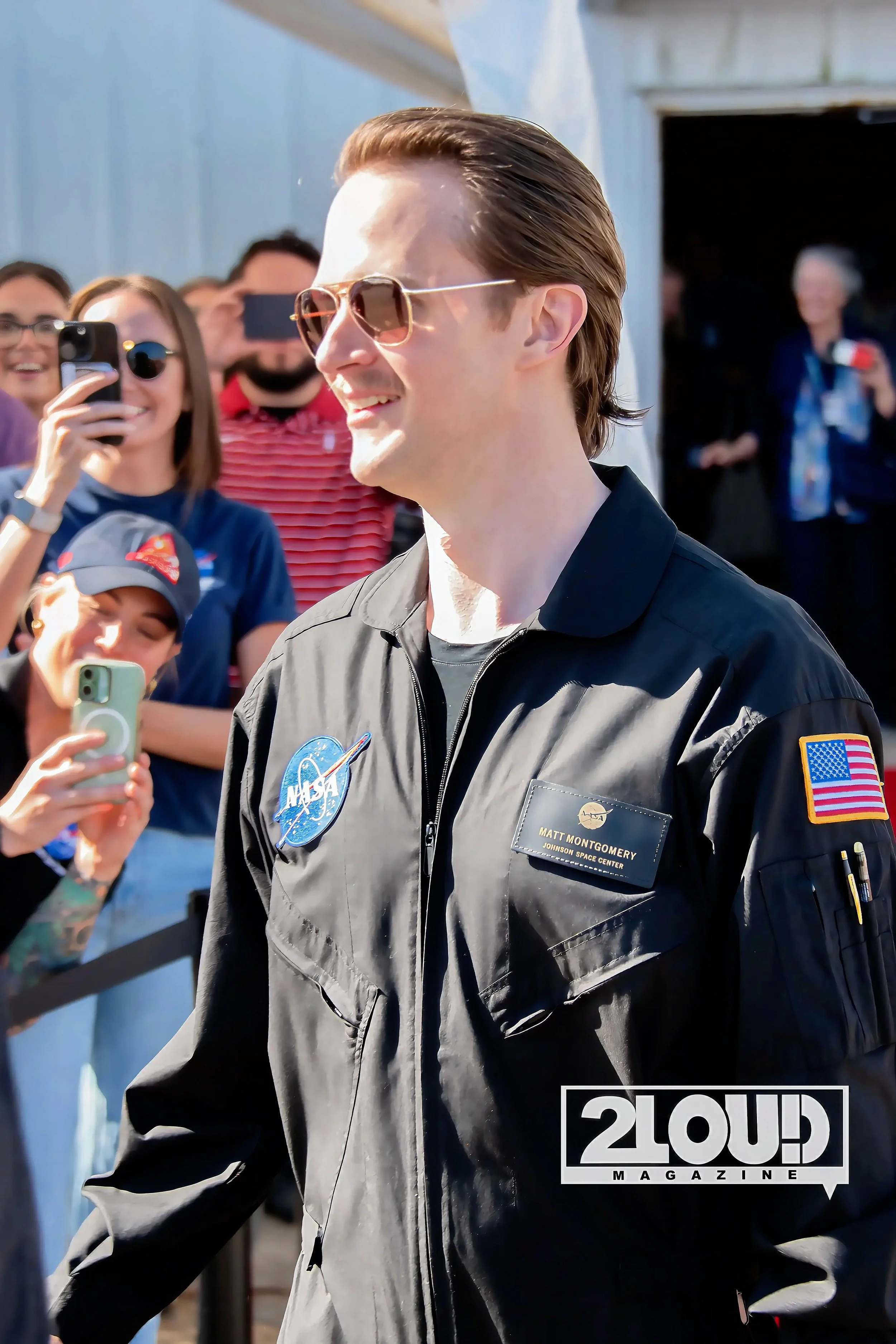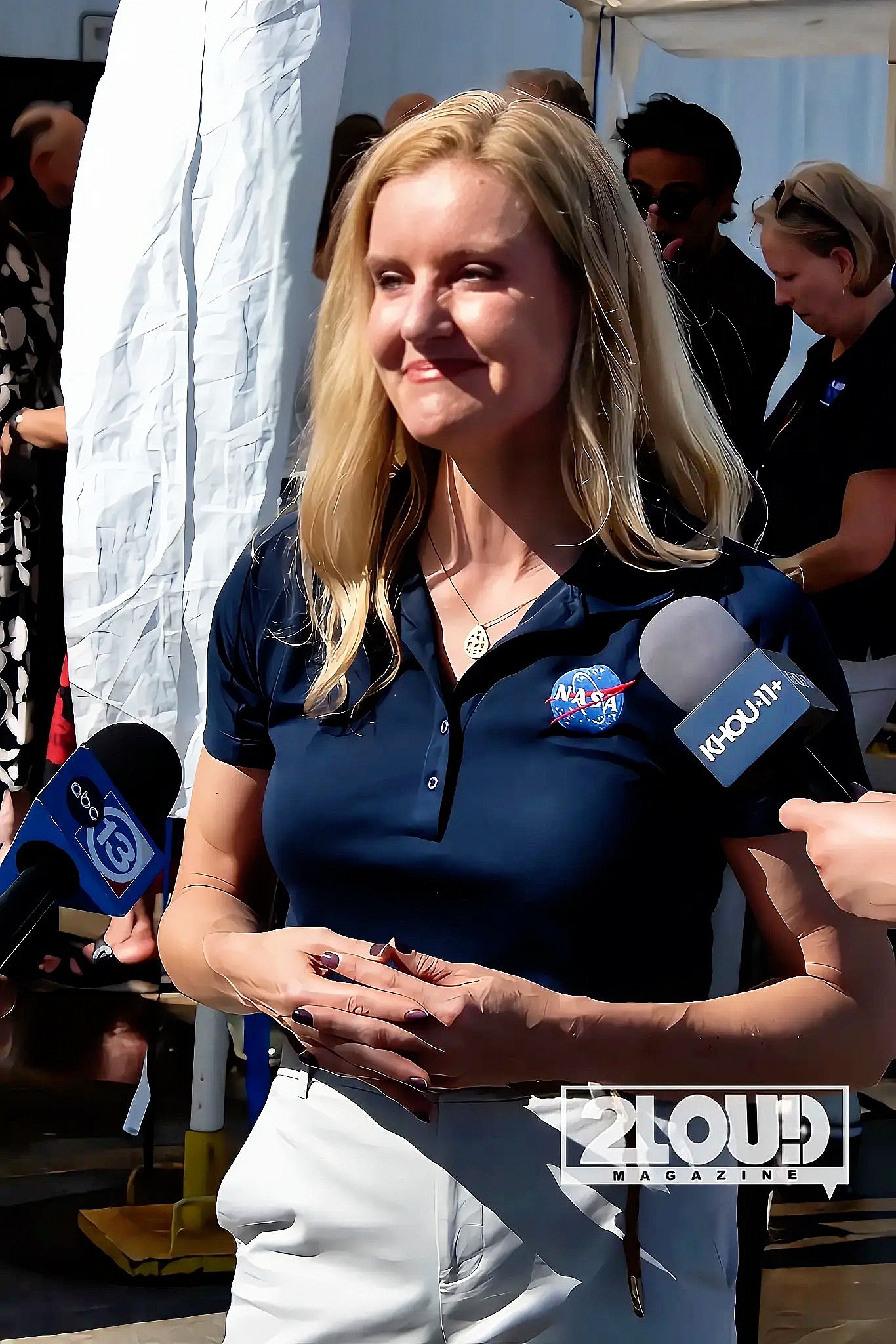
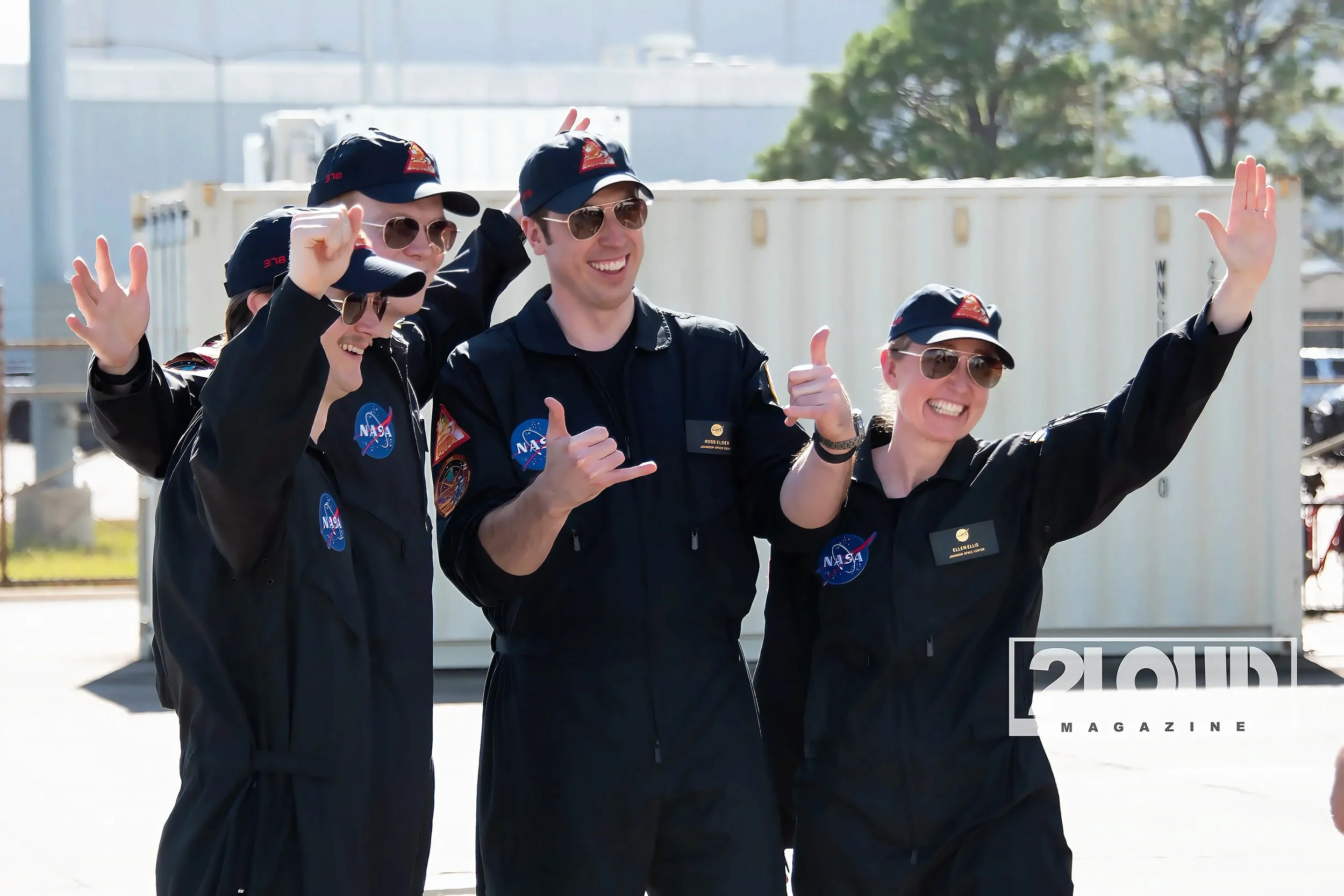
The Houston sun was shining bright Saturday afternoon as family, friends, NASA personnel, and members of the media gathered at Johnson Space Center for a homecoming more than a year in the making.
After 378 days inside a simulated Martian habitat, four volunteers emerged into the outside world for the first time since October 2025. Wearing sunglasses to shield their eyes from direct sunlight they hadn't experienced in more than a year, the crew stepped outside to an enthusiastic welcome.
2LOUD Magazine was on-site to capture the moment, marking the conclusion of NASA's second Crew Health and Performance Exploration Analog (CHAPEA) mission.
A Year on Mars, Without Leaving Houston
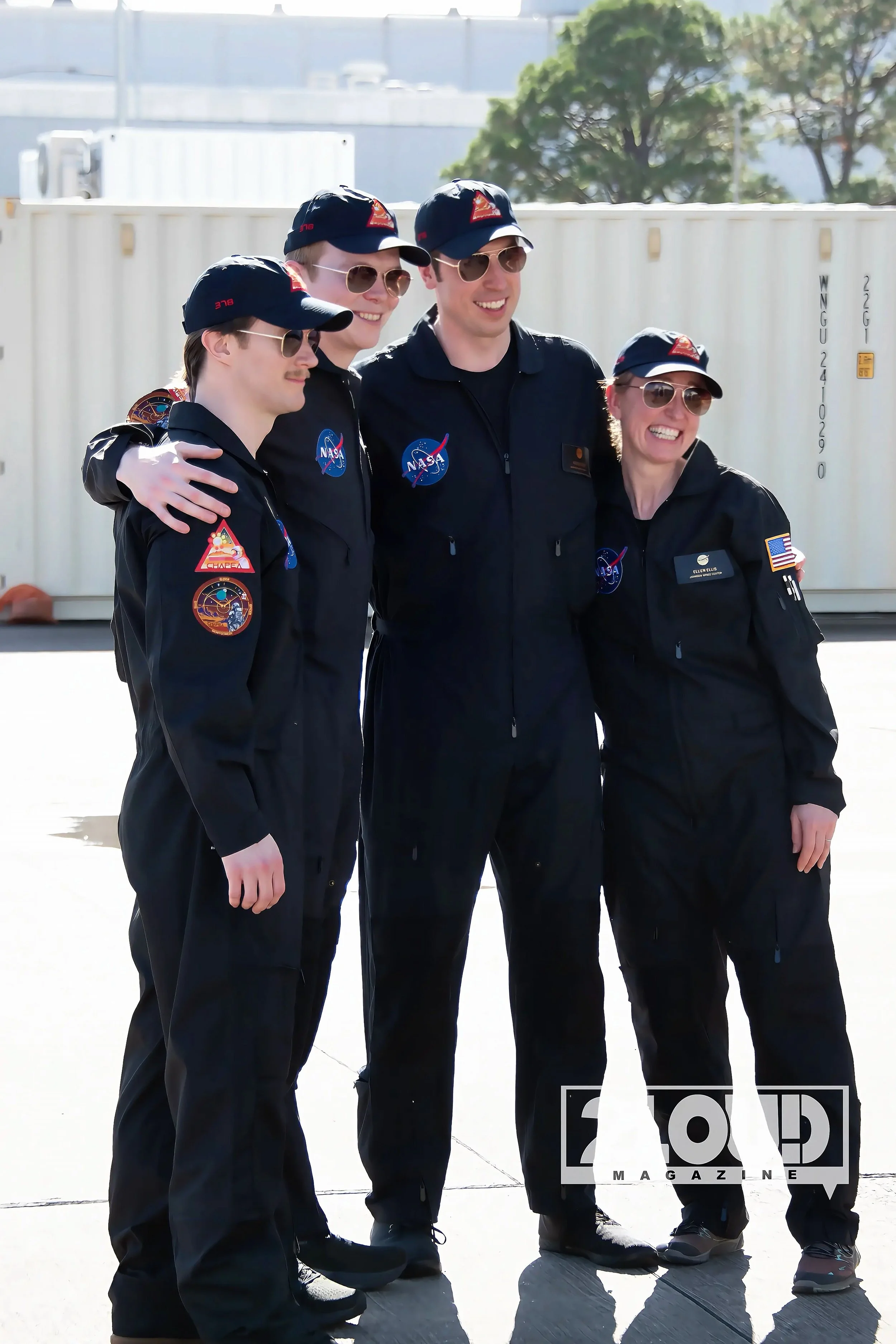
Crew members Ross Elder, Matthew Montgomery, Ellen Ellis, and James Spicer entered the 1,700-square-foot, 3D-printed habitat on October 19, 2025.
For more than a year, the four volunteers lived and worked under conditions designed to simulate the challenges astronauts could face during an extended mission to Mars.
Their daily responsibilities included simulated spacewalks, scientific research, exercise, habitat maintenance, and growing plants. They also navigated limited resources, communication delays, and the psychological demands of prolonged isolation.
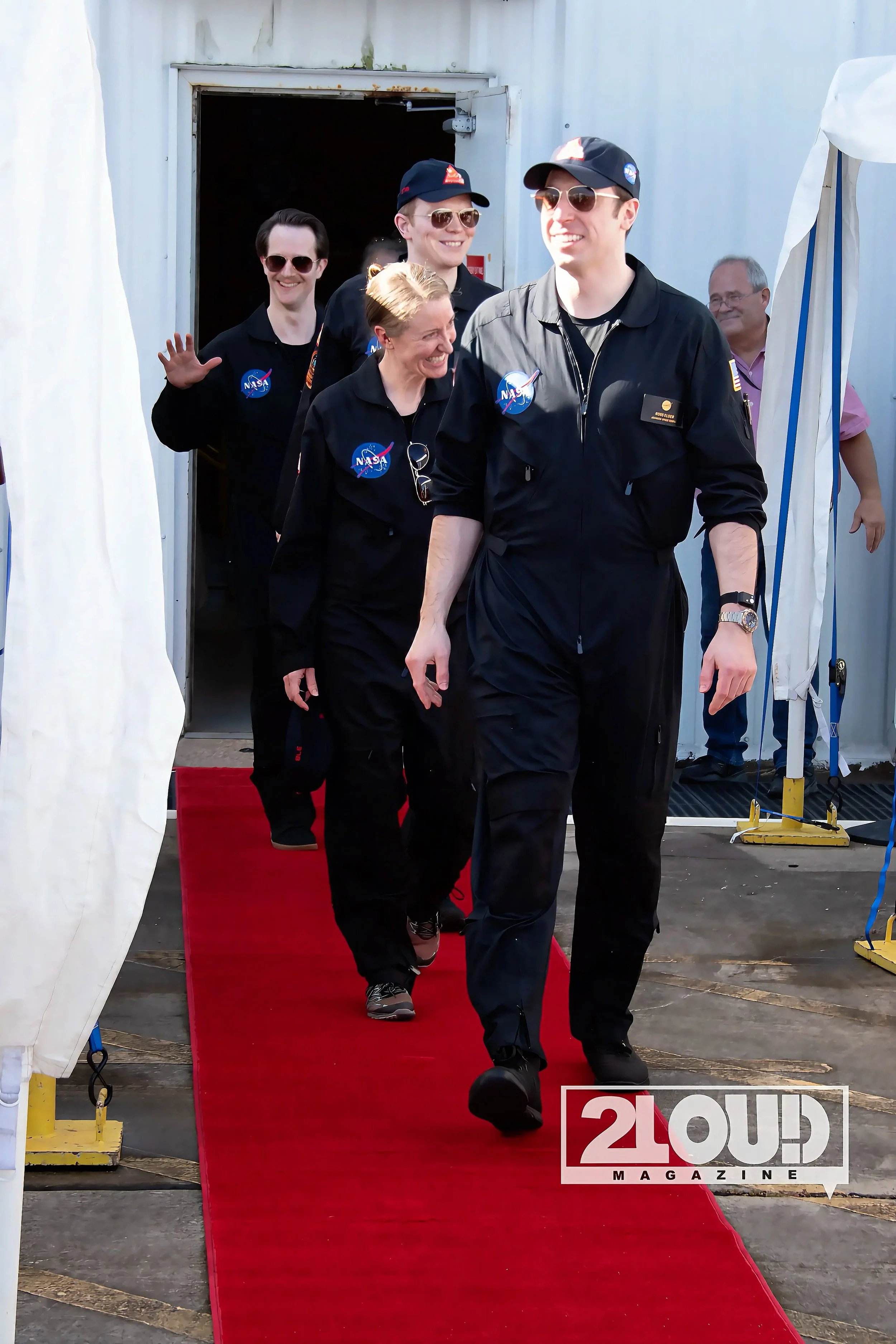
Although the crew never left Earth, the research conducted inside the habitat could help shape how NASA prepares astronauts for future missions to the Moon and eventually Mars.
The Human Side of Space Exploration
While technology is essential to reaching Mars, keeping astronauts healthy, focused, and functioning as a team during an extended journey presents another set of challenges.
During the event, 2LOUD spoke with NASA researcher Dr. Suzanne Bell, asking a question that gets to the heart of human space exploration:
“Most people think getting humans to Mars is primarily a technology challenge. How much of the real challenge is actually understanding human behavior, relationships, and mental resilience?”
It's a question that underscores why missions like CHAPEA matter. Space exploration isn't simply about building spacecraft capable of traveling millions of miles. It's also about understanding how people respond to isolation, confinement, limited communication, and the pressure of working together in an unforgiving environment.
NASA's research examines these human factors alongside physical health and mission performance.
According to information shared during the event, CHAPEA volunteers undergo selection procedures comparable to those used for astronaut candidates, helping NASA collect data that more closely reflects the demands of actual spaceflight.
And although the crew has officially exited the habitat, their participation isn't quite finished. An intensive two-week debriefing process follows the mission, allowing researchers to gather additional insights from their experiences.
One Step Closer to Mars
For the families and friends gathered outside the facility Saturday, the afternoon represented something more personal than scientific progress: the return of loved ones who had spent 378 days separated from everyday life.
For NASA, it marked another milestone in understanding what humans will need to survive and thrive beyond Earth.
The lessons from CHAPEA Mission 2 could influence everything from food systems and crew schedules to medical care, psychological support, and communication strategies for future deep-space missions.
And as the four volunteers stepped back into the Houston sunshine, the moment offered a reminder that behind every ambitious mission are real people making extraordinary commitments to exploration.
2LOUD Magazine was there to document their return.
Photography and reporting: 2LOUD Magazine. Additional mission information: NASA.