Rashad Robinson to 2LOUD: “America Can Love Black Culture and Hate Black People at the Same Time”
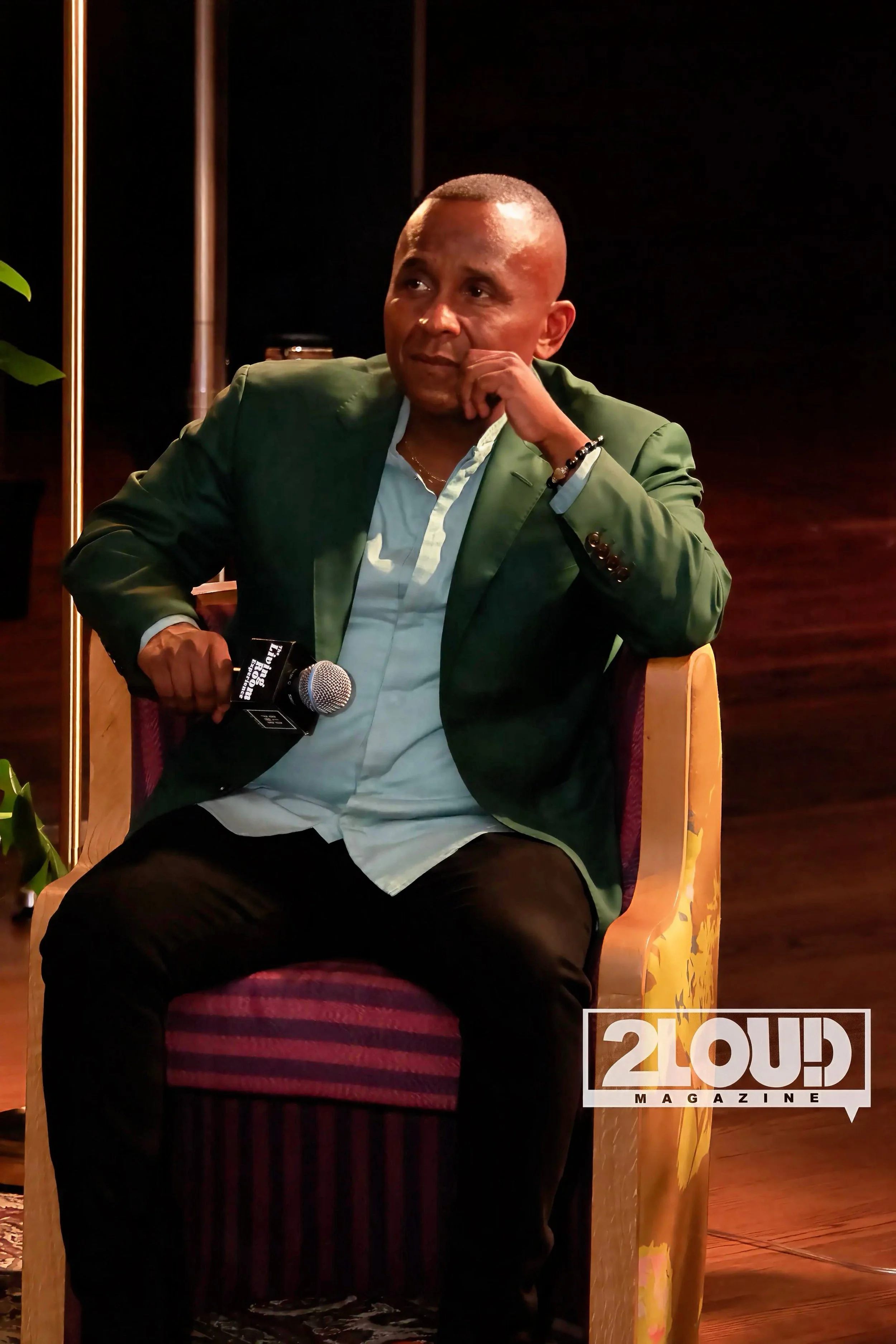
Black culture may be everywhere, but Rashad Robinson wants people to stop confusing visibility with power.
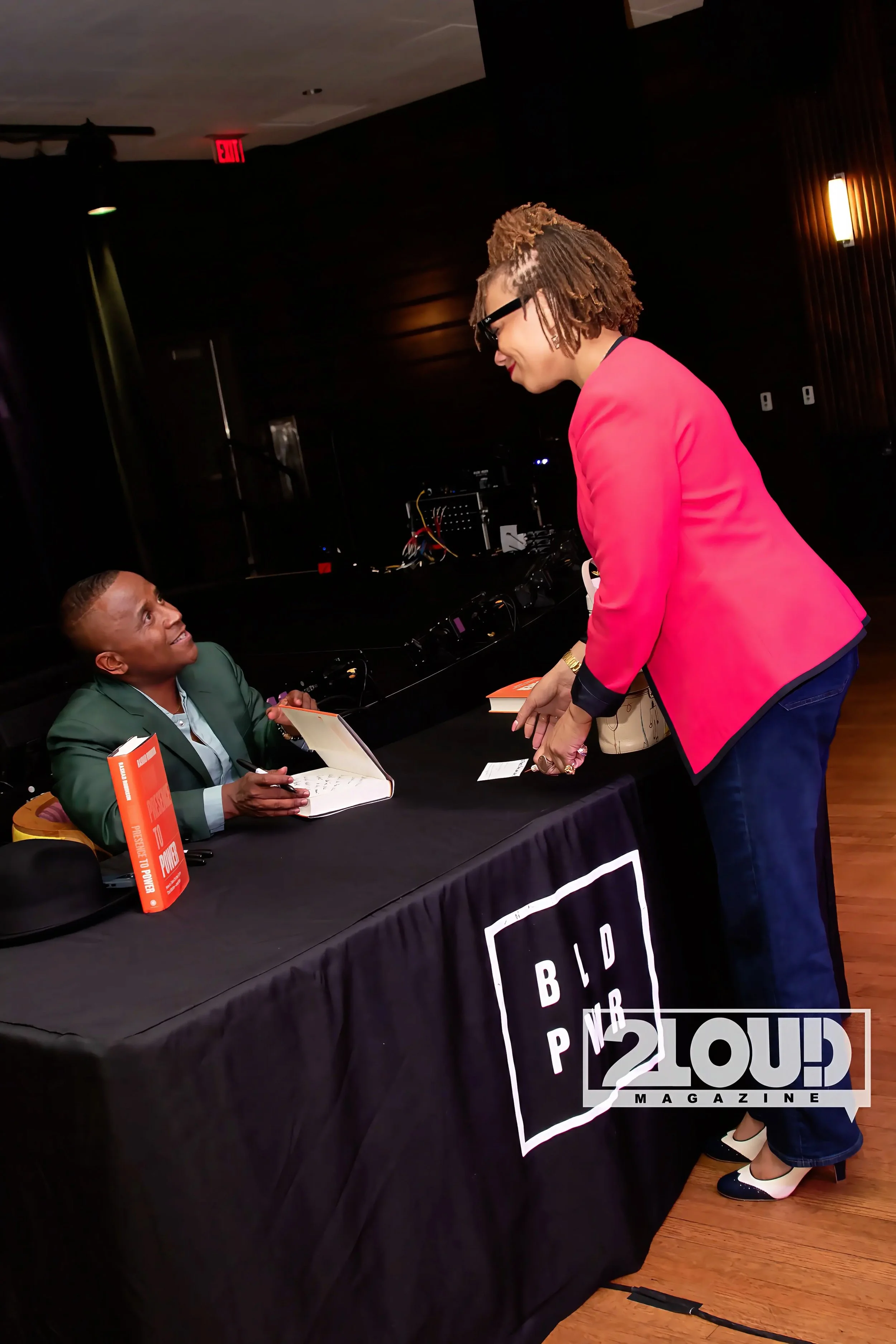
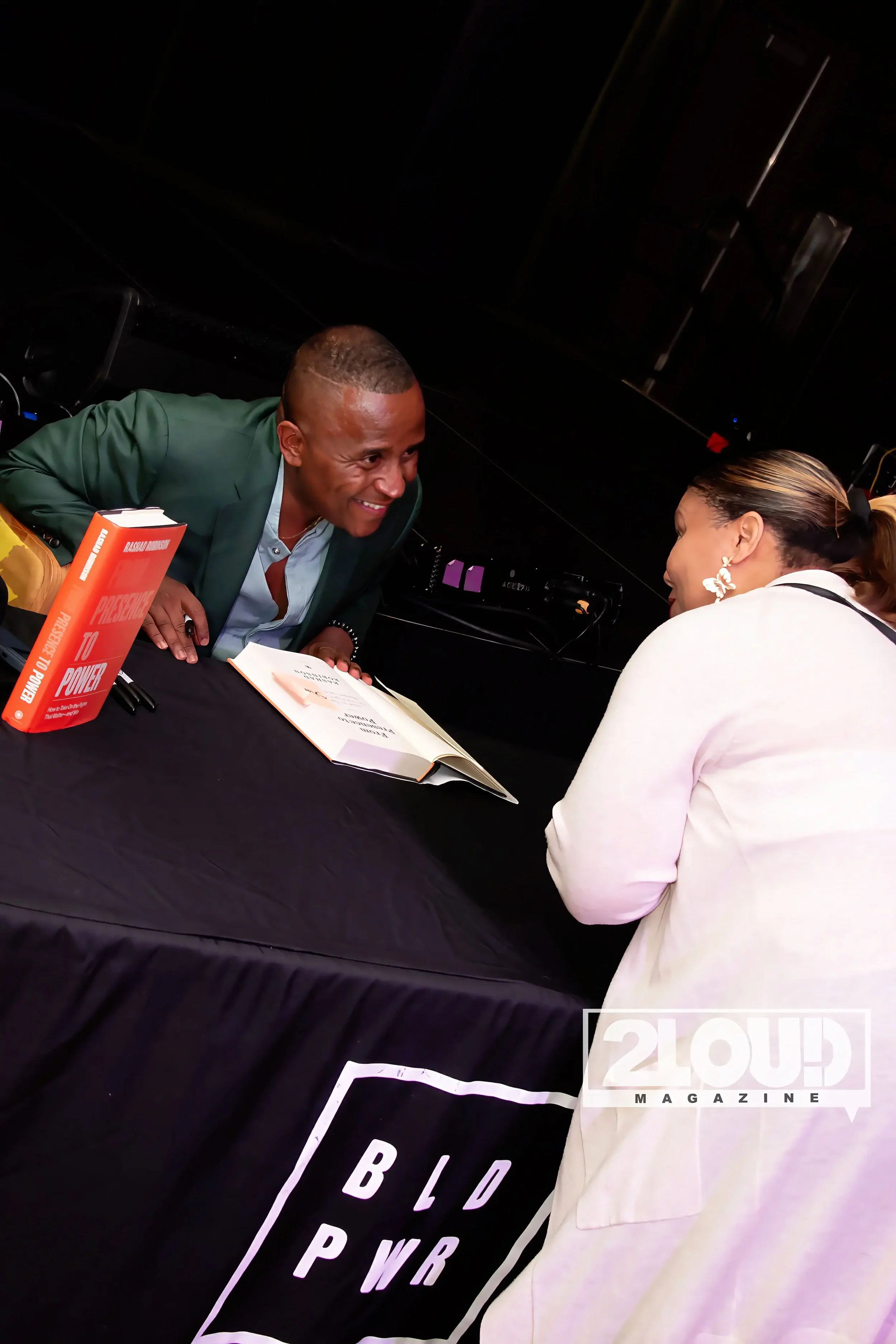
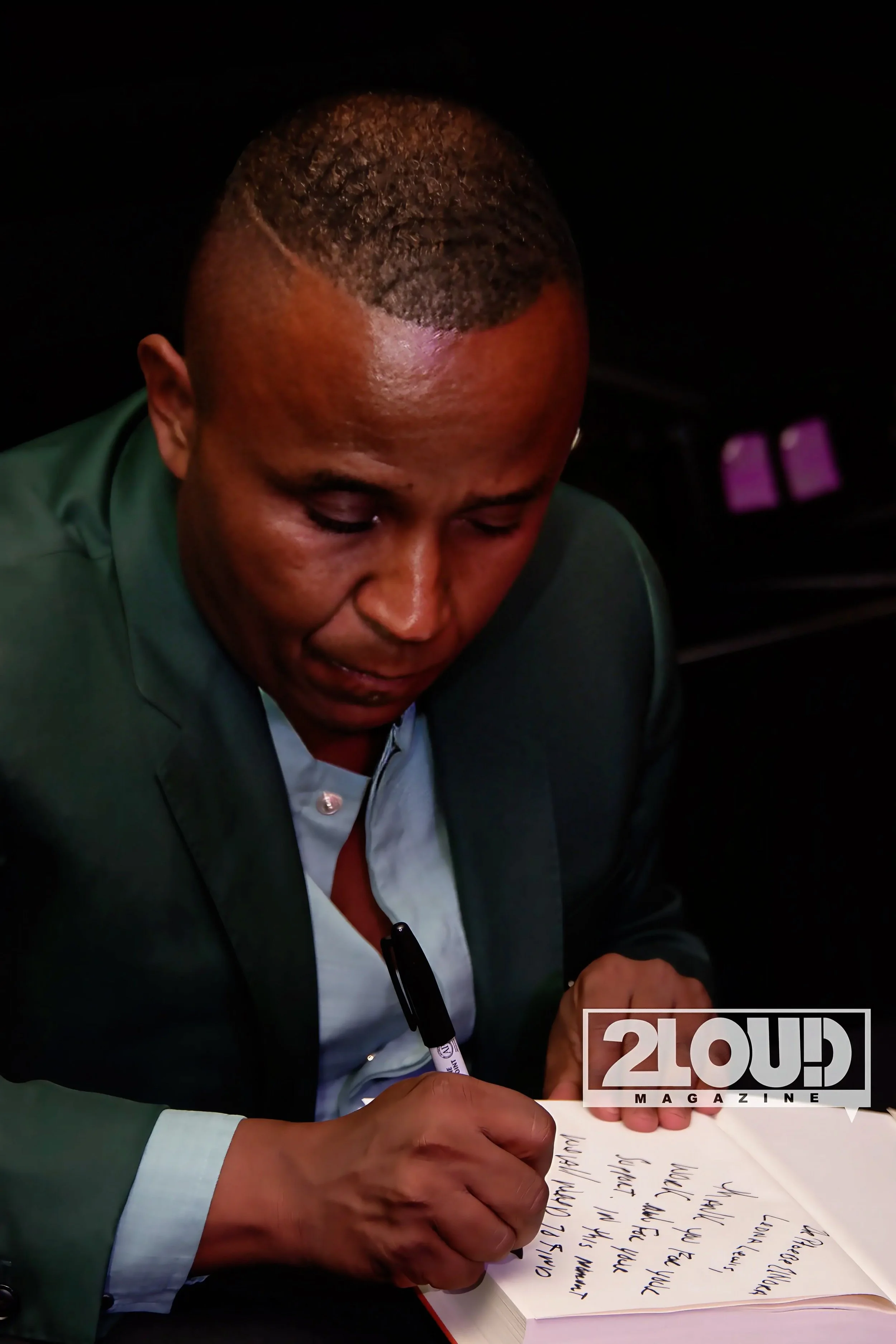
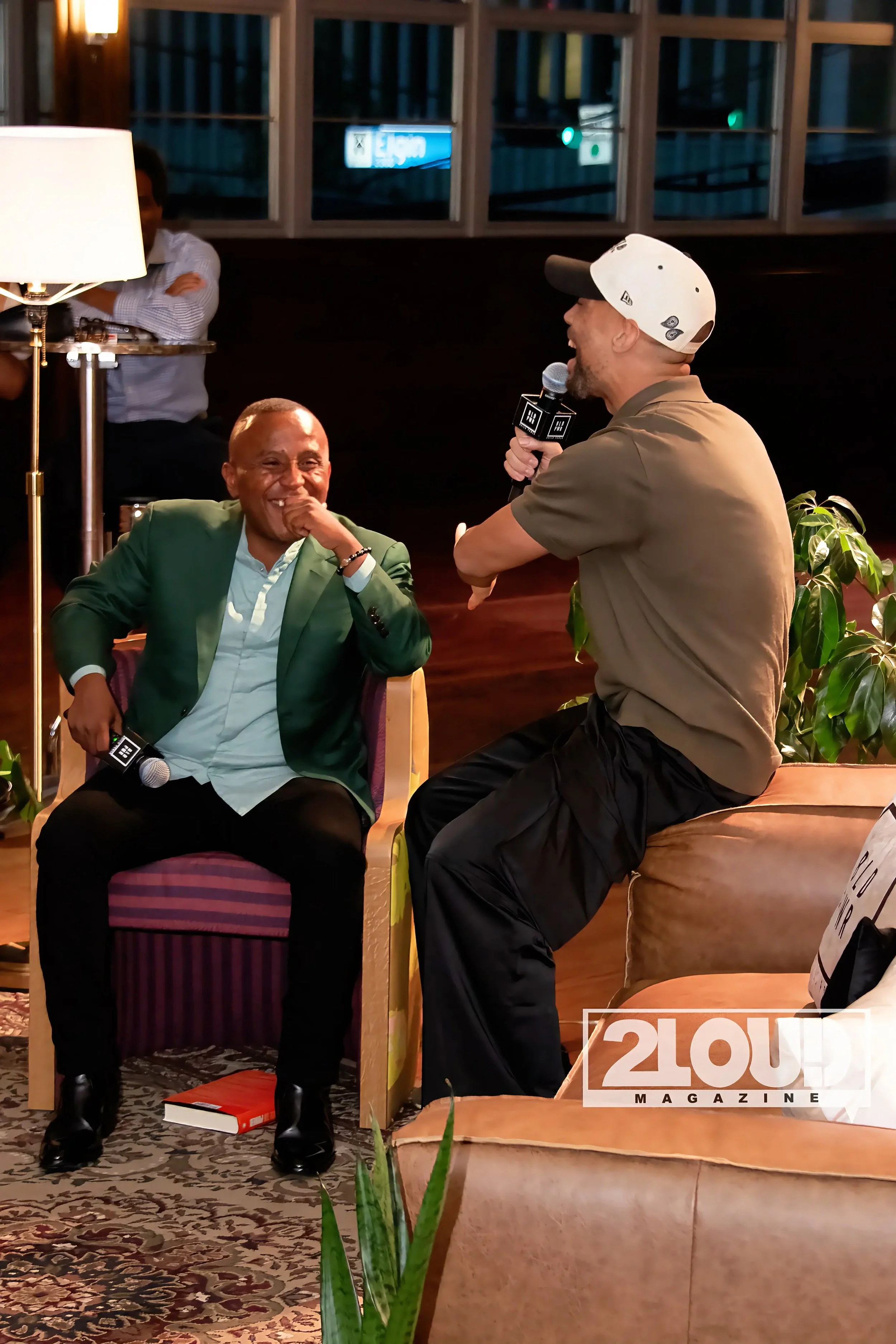
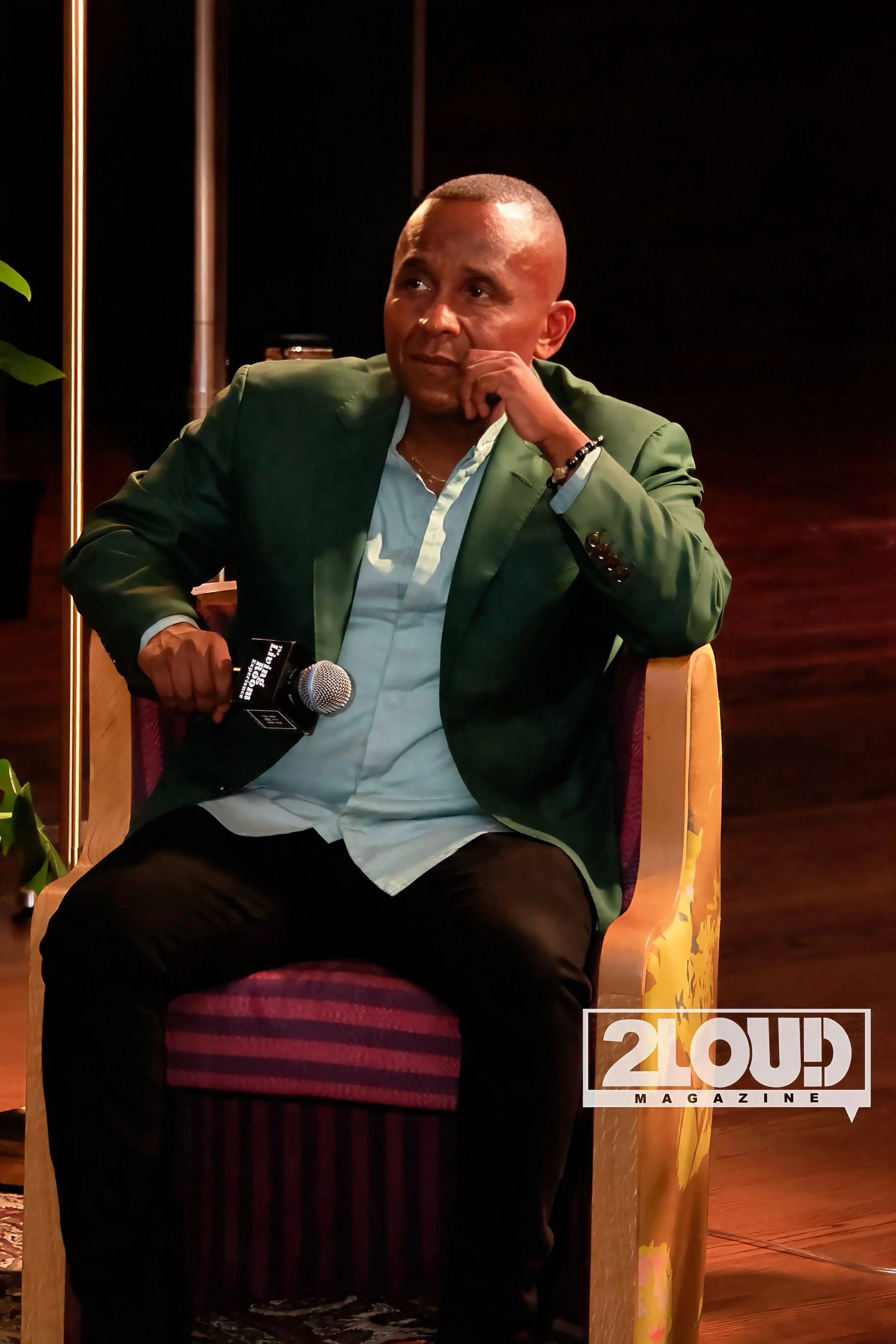
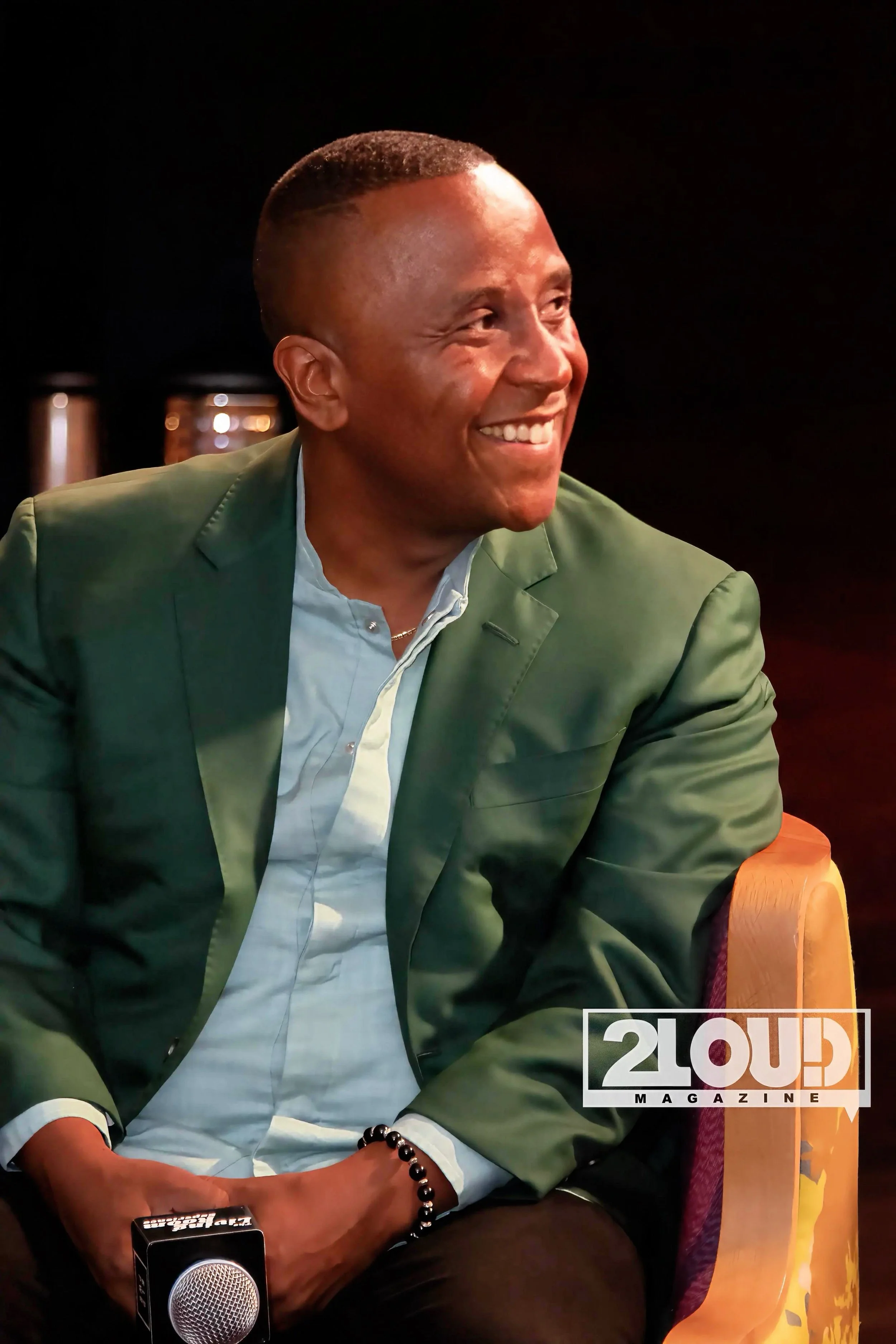
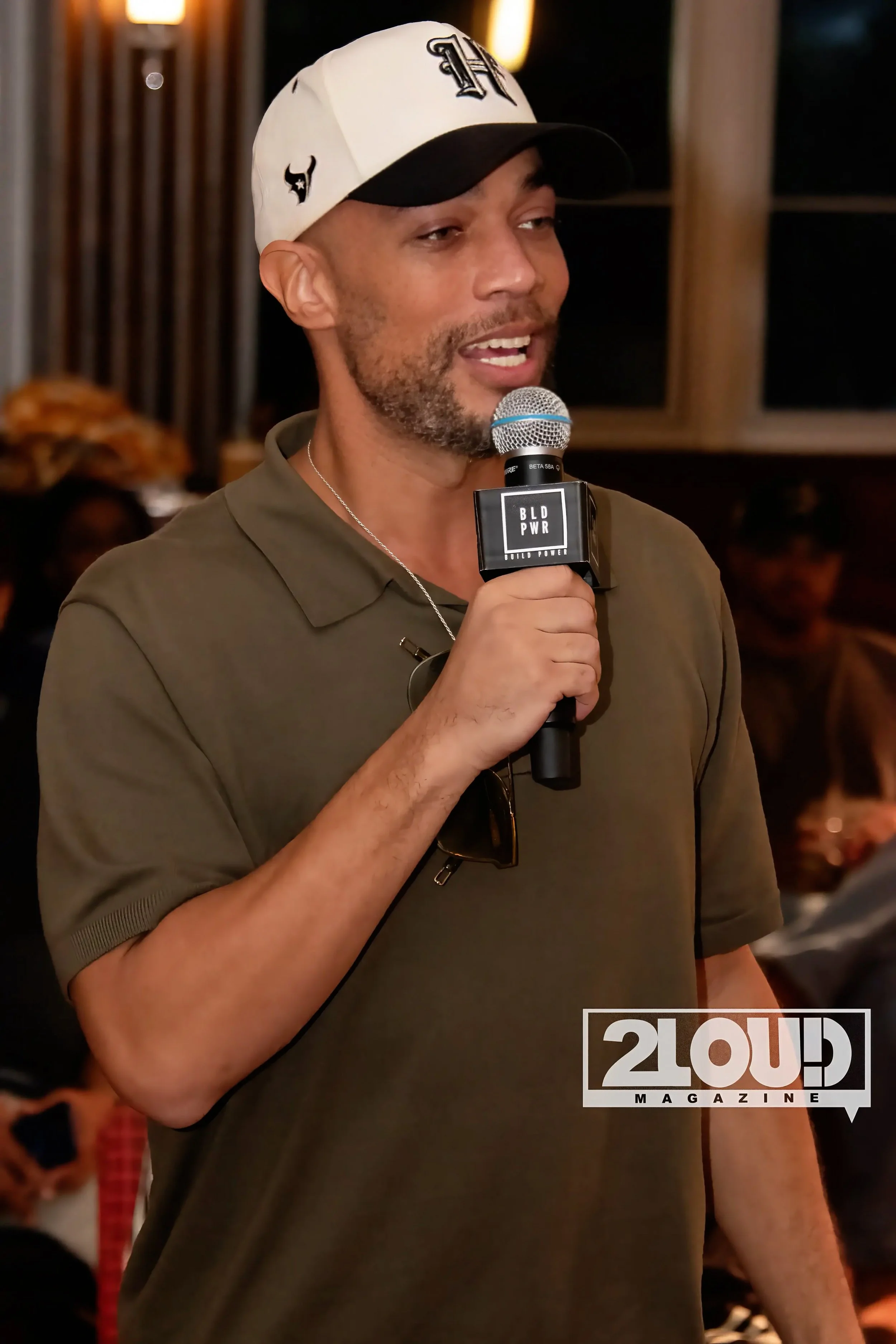
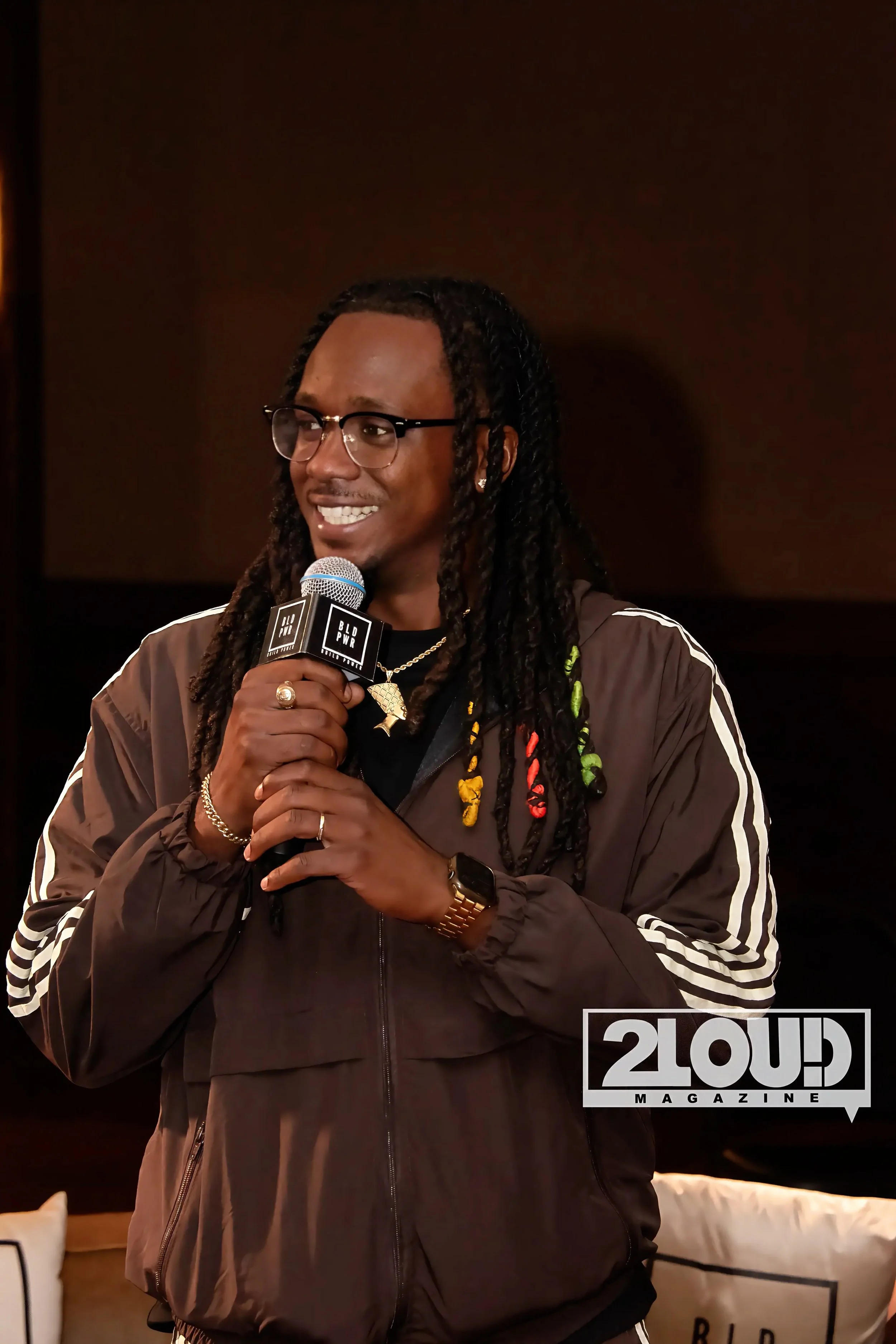
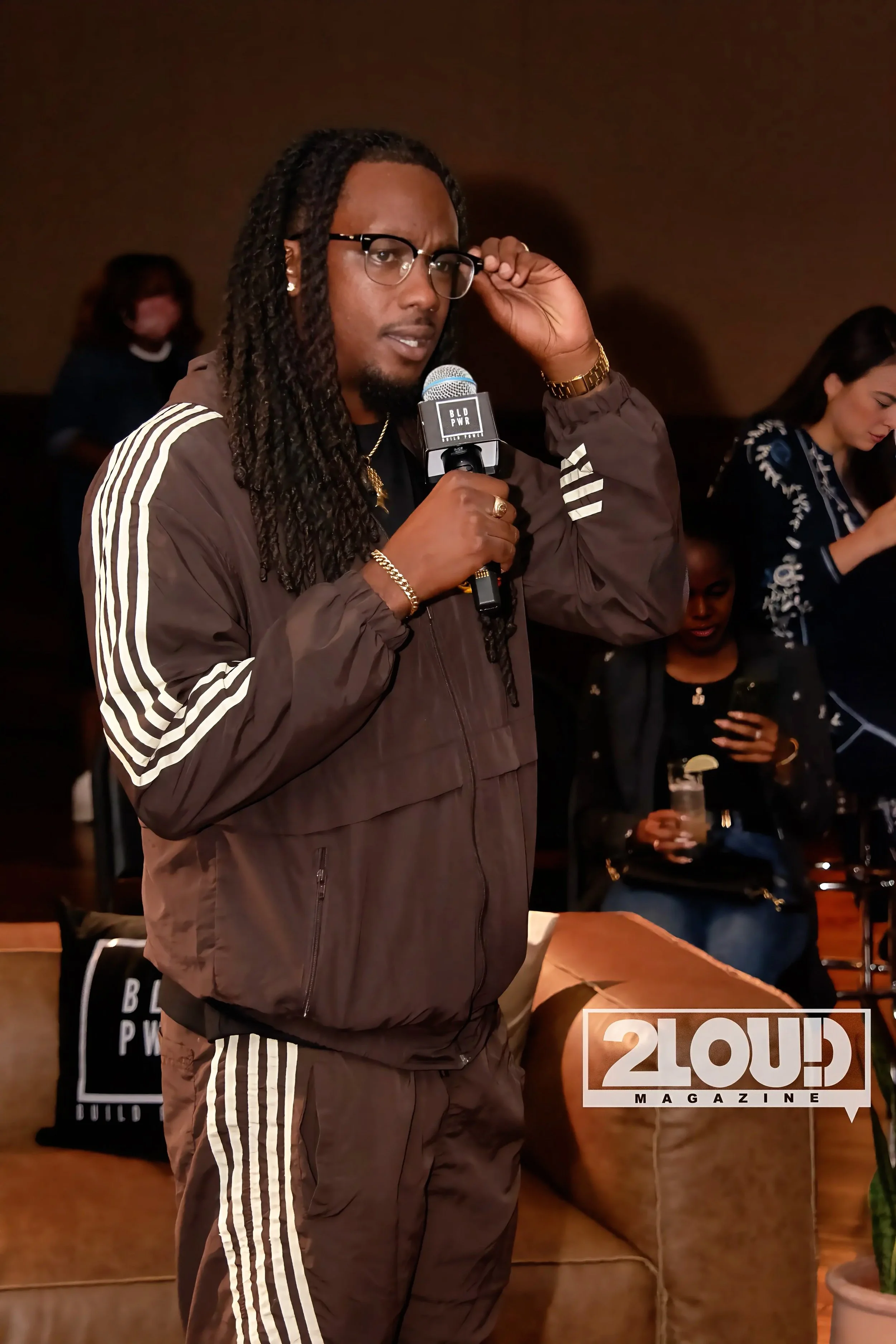
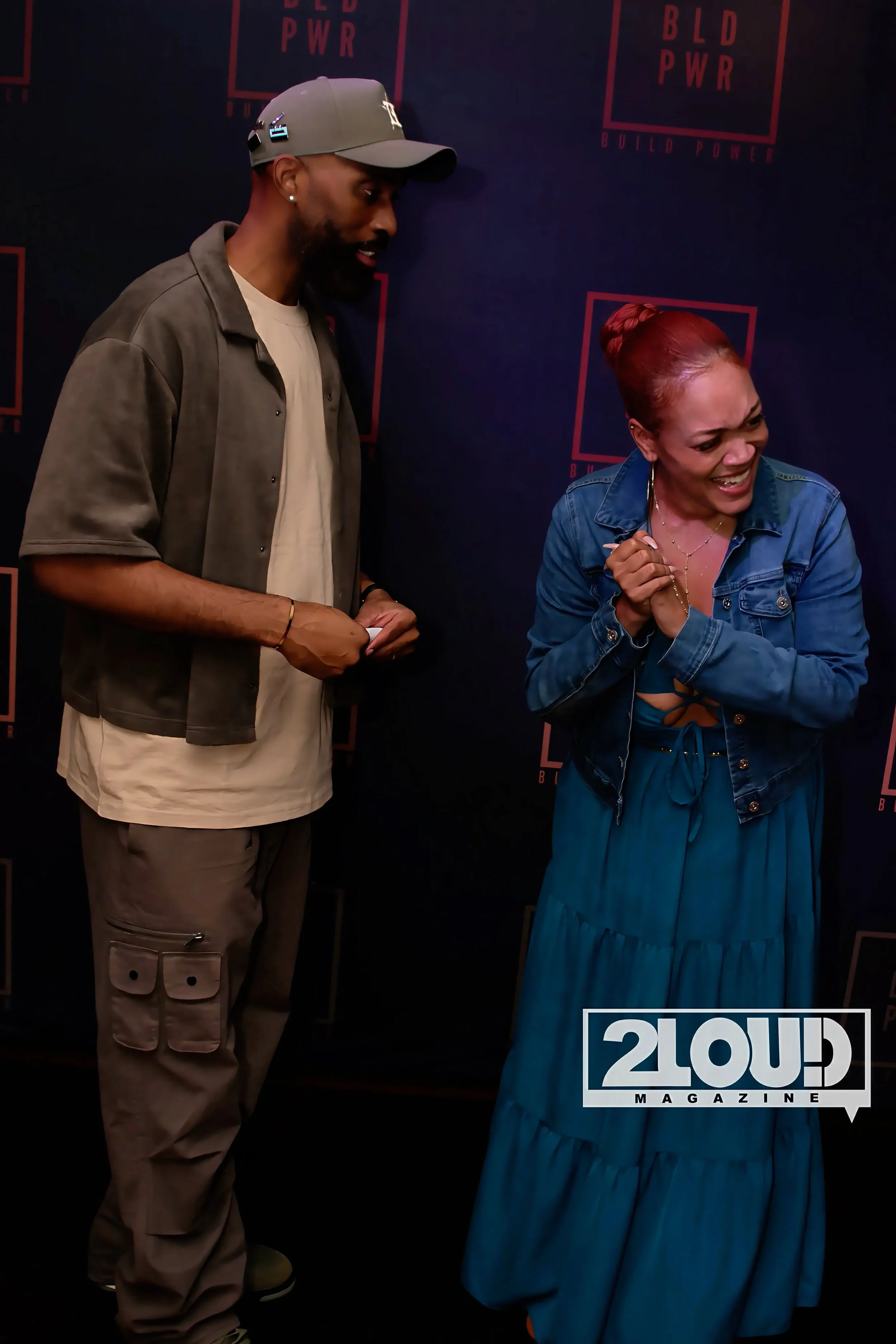
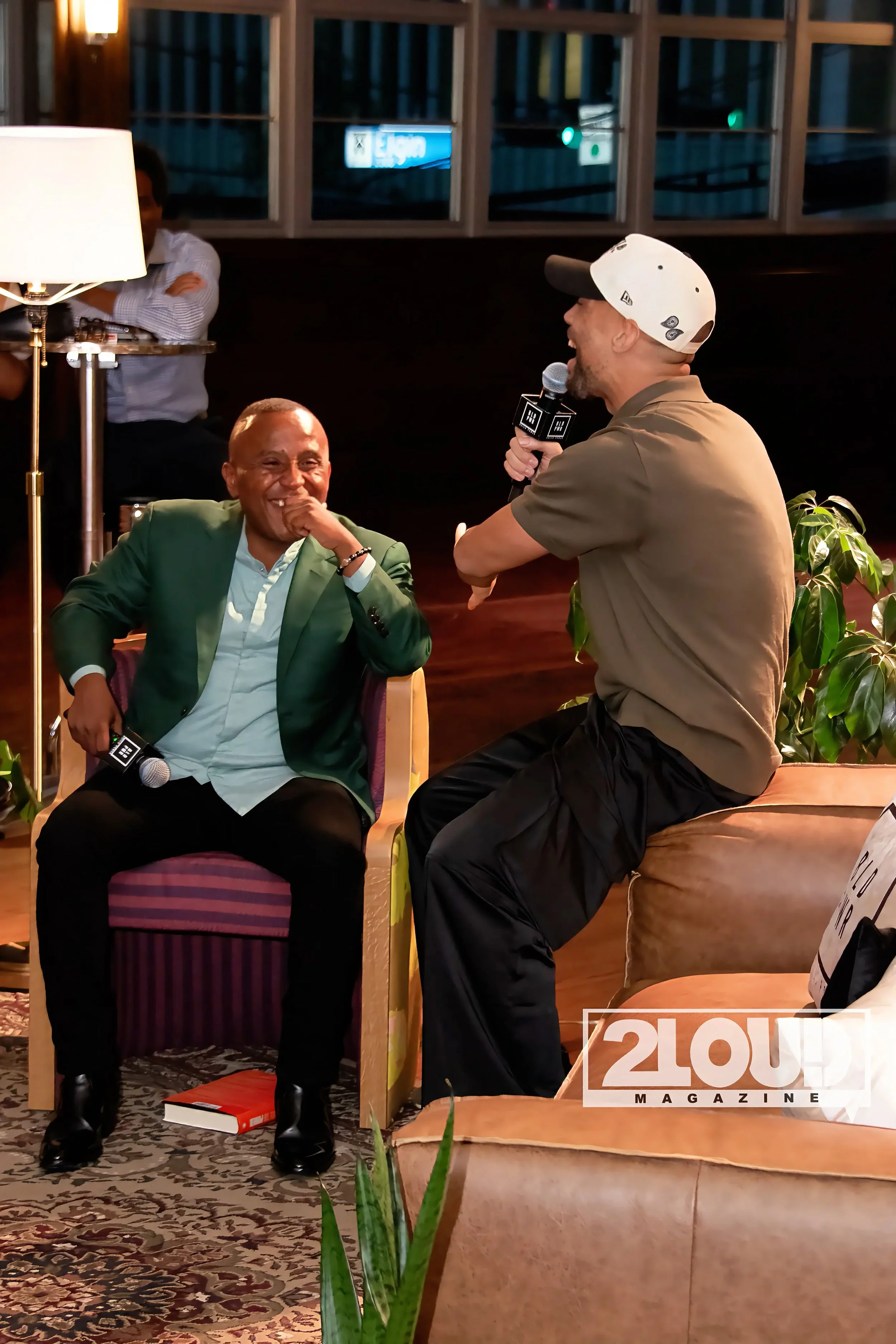
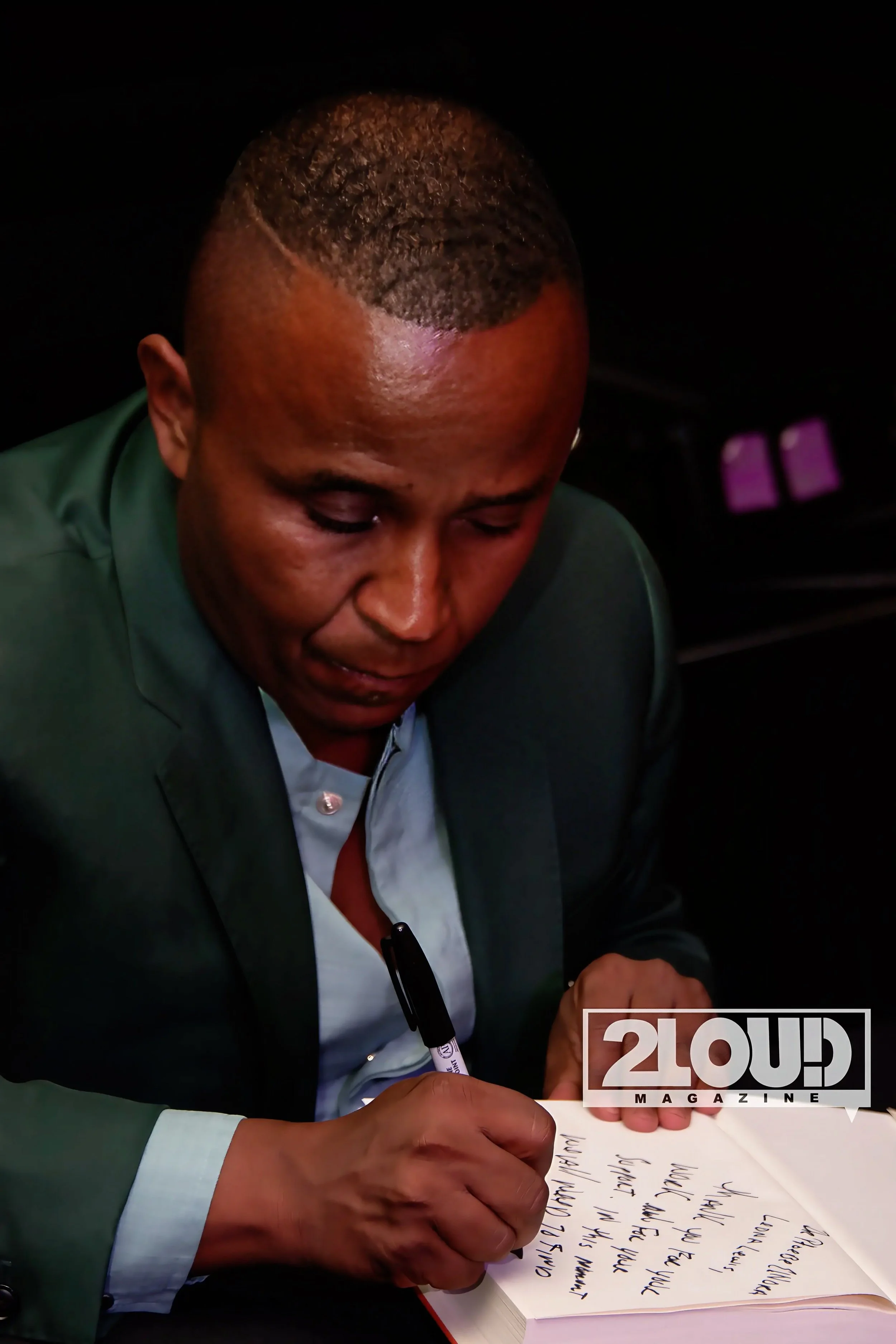
During a Houston stop supporting his book From Presence to Power, the social justice leader sat down with Talking 2LOUD for a conversation about Black influence, celebrity, politics and what it actually takes to turn cultural presence into meaningful change.
When Ashley2LOUD asked whether Black culture's unprecedented visibility has actually translated into more power, Robinson pointed directly to the premise behind his book.
“Presence fades and power is real,” Robinson told 2LOUD, explaining that mistaking one for the other can create the illusion of progress. He argued that America can celebrate and monetize Black culture while simultaneously failing Black people.
For Robinson, power isn't simply having people know the dances, repeat the lyrics or celebrate Black celebrities. He defines it as the ability to change both written and unwritten rules.
The conversation also turned toward the expectations Black communities place on celebrities and elected officials.
Robinson said platforms can be valuable tools, but problems emerge when celebrity visibility is substituted for an actual agenda—or when celebrities and politicians are expected to lead movements instead of responding to organized communities.
He recalled meetings during the Obama administration where Black leaders arrived intending to advocate for issues but instead spent valuable time expressing how proud they were of the president. Robinson's larger point wasn't criticism of celebrity itself; it was that access has to be used strategically.
And when the conversation shifted to political frustration, Robinson turned the question back toward ordinary people.
Movements, he argued, create the environment that forces elected officials to respond. Using the political right as an example, he pointed to people consistently displaying their values and showing up in spaces ranging from school board meetings to libraries—and the pressure that base ultimately puts on politicians.
He connected that idea to the March on Washington, recalling how marchers began moving before some of the movement's most recognizable leaders were ready.
“Let's not wait for people to be in the front of our marches,” Robinson said. “Let's let our marches move and our leaders will follow.”
Ashley closed the conversation with a very 2LOUD question: Beyond the hype, what should Black America be paying more attention to right now?
Robinson's answer was immediate:
The profiteers.
“Behind every injustice is someone profiting from it,” he said.
Instead of centering whether those standing in the way of progress like or understand Black people, Robinson argued for identifying the economic incentives behind injustice and creating consequences.
“It's about making injustice unprofitable.”
That's the distinction at the heart of From Presence to Power: being seen is one thing.
Changing the rules is another.
— 2LOUD Magazine