
The Artemis Accords: The Rules Guiding Humanity’s Next Era of Space Exploration
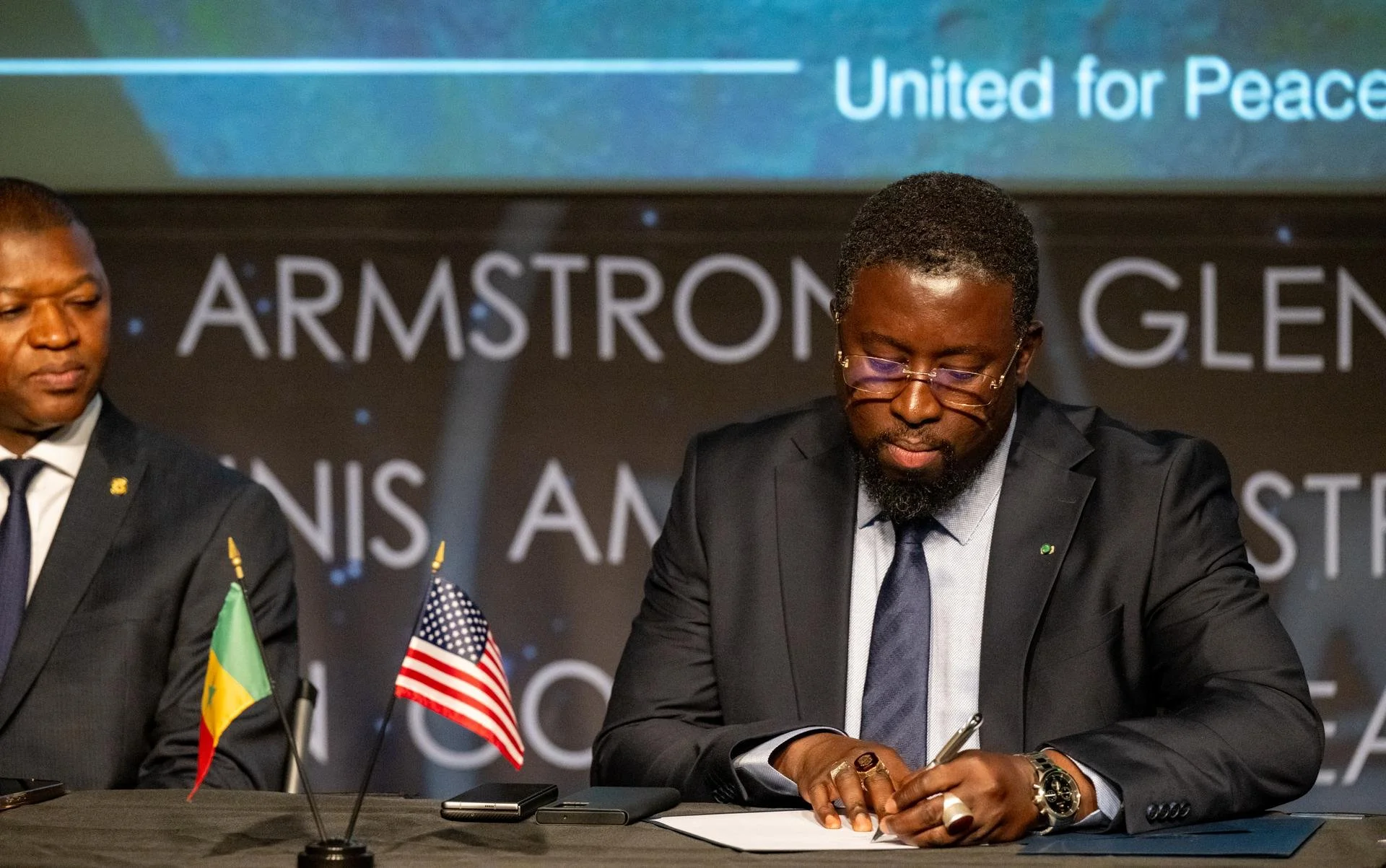
The next chapter of space exploration isn't going to be written by one country alone.
As NASA and its international partners prepare for a sustained return to the Moon and eventually missions to Mars, the Artemis Accords are establishing a shared framework for how nations should explore and operate in space.
Created in 2020 by NASA, the U.S. Department of State and seven founding partner nations, the accords were designed to strengthen cooperation around the civil exploration and use of the Moon, Mars, and beyond. As of July 2026, 70 nations have signed, with Mauritius becoming the latest. (NASA)
More Than a Trip to the Moon
The Artemis Accords aren't a new space treaty. Instead, they establish practical principles that reinforce existing international agreements, particularly the 1967 Outer Space Treaty, while creating common expectations for responsible civil space exploration. (NASA)
Among those principles are peaceful exploration, transparency, emergency assistance, interoperability, scientific data sharing, registration of space objects, preservation of space heritage, orbital-debris mitigation and coordination between space activities. (NASA)
One of the most important—and potentially consequential—areas involves space resources.
The accords recognize that extracting and using resources from places such as the Moon and asteroids can support sustainable exploration, provided those activities comply with international law. The framework also calls for coordination around operations to prevent harmful interference. (NASA)
Why It Matters
The significance of the Artemis Accords extends far beyond NASA's Artemis missions.
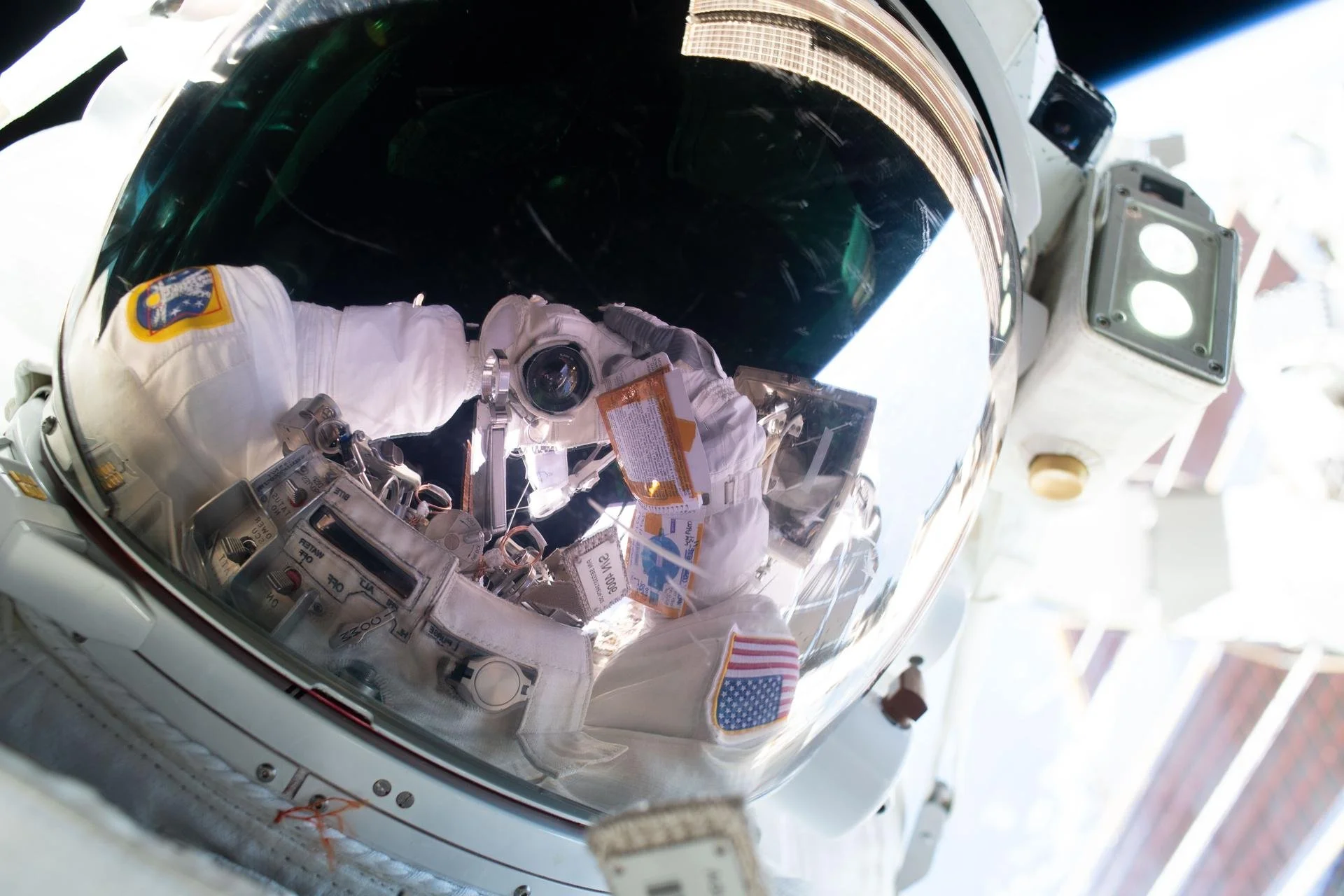
The Moon is becoming increasingly important to governments, commercial space companies and scientific organizations. Multiple nations and private companies are developing lunar missions, making coordination increasingly important as more spacecraft, landers and eventually humans operate in the same environment.
The accords provide a common set of expectations intended to reduce uncertainty and encourage cooperation as that activity expands. (NASA)
They also establish an important idea: space exploration should be sustainable, transparent and conducted with consideration for everyone operating beyond Earth.
For NASA, the accords are becoming an important part of its broader international strategy. NASA says the growing coalition will help establish a safe, peaceful and prosperous future in space. (NASA)
The Artemis Accords are ultimately about something bigger than the Moon.
They're about establishing how humanity behaves when exploration expands beyond Earth.
And we're just getting started.